Harry H. Stine
Founder, Stine Seed Farms
Pioneer in Private Soybean Genetics and Agricultural Innovation
Harry H. Stine is a farmer, plant breeder, entrepreneur and one of the most influential figures in modern agricultural genetics. For more than six decades, he has reshaped the global soybean industry through groundbreaking advancements in plant breeding, seed genetics and private research investment, expanding food production capacity worldwide.
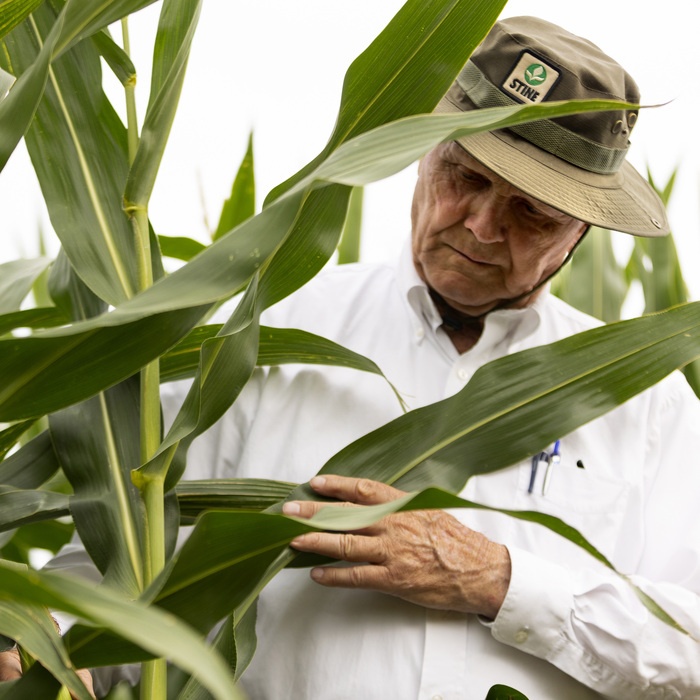
Raised on a family farm in Dallas County, Iowa, Stine joined his father’s soybean cleaning business in 1964. At a time when nearly all crop breeding was conducted by public universities, he recognized an untapped opportunity: private-sector investment in high-yielding soybean genetics. He, along with four other seedsmen, founded Improved Variety Research (IVR), the first private soybean research and development company in the United States.
In 1973, following the dissolution of IVR, Stine partnered with Bill Eby to form Midwest Oilseeds, Inc., pioneering a model that fundamentally changed how crop innovation would be funded and commercialized. Midwest Oilseeds, Inc., quickly became the largest and most successful soybean research and development program in the United States. Through relentless investment in breeding, yield testing and germplasm development, Stine built one of the largest independent soybean genetics programs in the world. His work significantly increased soybean yields per acre, enabling farmers to produce more food, feed and renewable fuel on the same land base, a critical advancement in a world facing population growth, land constraints and climate pressure.
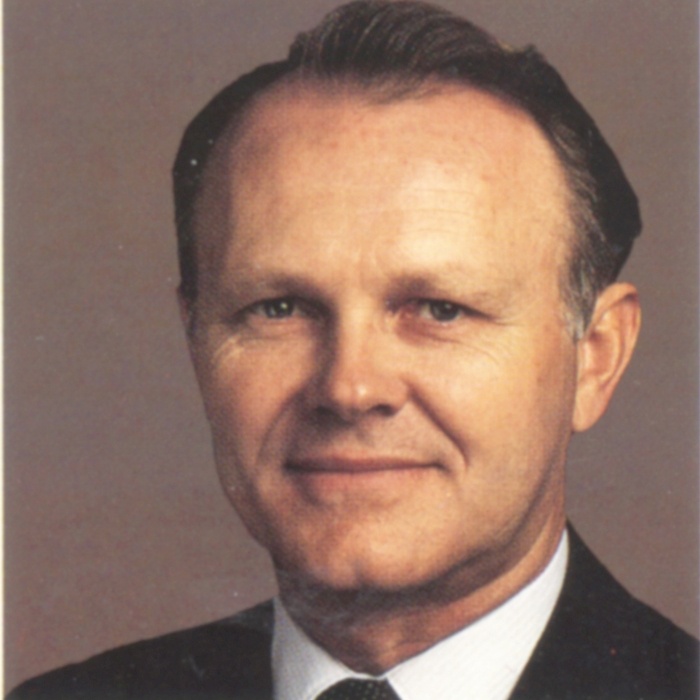
Stine Seed Company became one of the top soybean seed companies in the United States, and the genetics developed under Stine’s leadership are now planted on millions of acres across North America and beyond. His contributions helped accelerate the modernization of soybean production, improve farmer profitability, and strengthen global protein supply chains that support both human nutrition and livestock production.
In addition to soybeans, Stine expanded into corn breeding and crop genetics, continuing to invest heavily in research infrastructure, data-driven breeding programs and farmer-focused innovation. His long-term commitment to reinvesting profits into research rather than short-term returns has enabled sustained yield gains that have compounded over decades.
In 2004, Stine co-founded M.S. Technologies, L.L.C., a biotechnology company focused on advancing trait development and commercialization. Through this work, the company co-developed and co-owns the Enlist E3® soybean trait — one of the most widely adopted herbicide-tolerant platforms in modern soybean production — with Corteva Agriscience. Additionally, M.S. Technologies owns the FG72 trait, which has been combined with Enlist E3 and will be commercialized as Enlist E3 Expance™, further expanding options for growers through advanced trait integration.

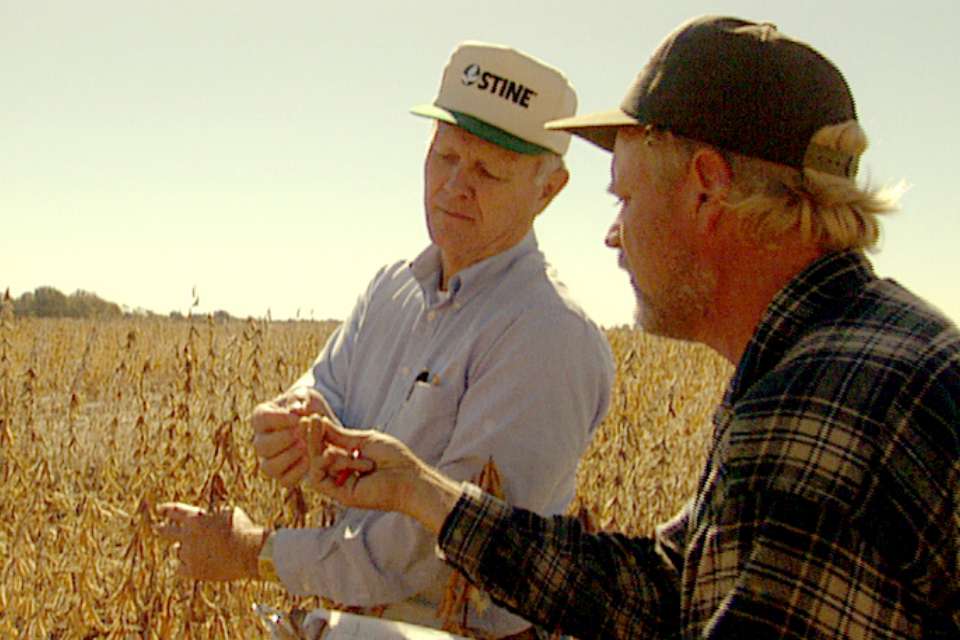
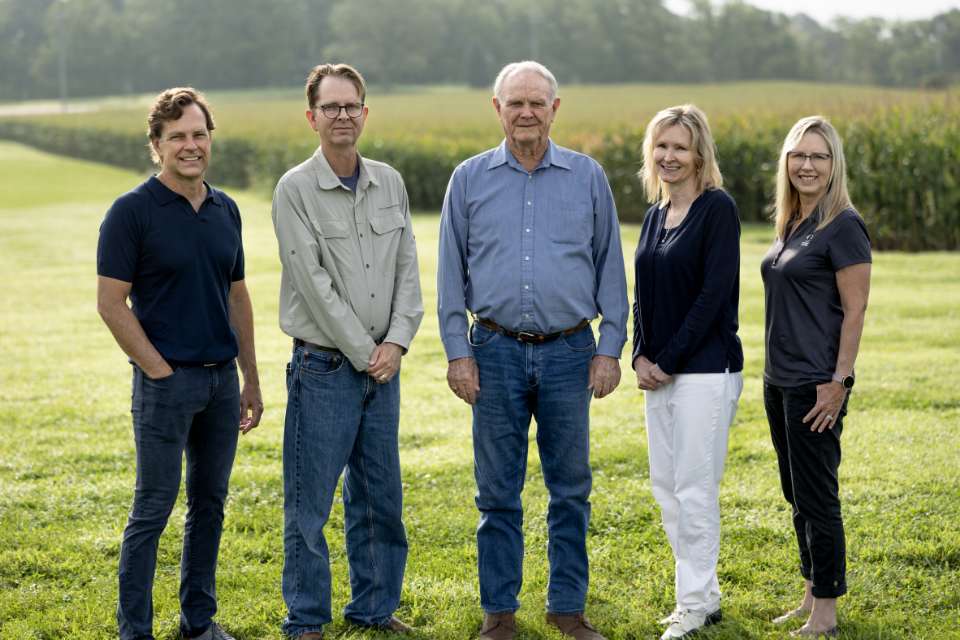
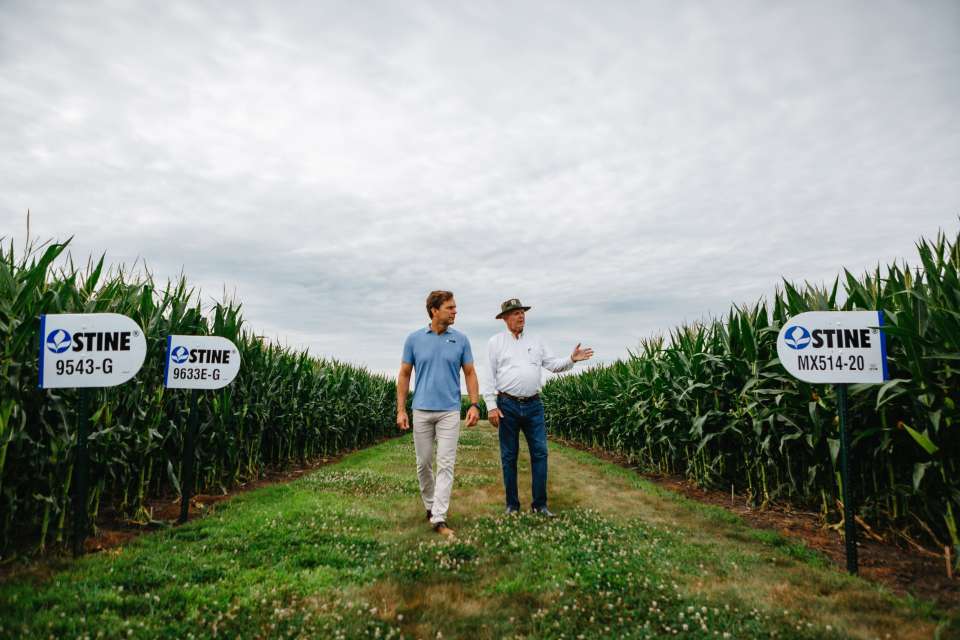









Beyond commercial success, Stine’s work has had measurable global impact, including increased crop productivity, improved food availability and enhanced agricultural efficiency. By advancing higher-yielding varieties, his innovations have helped reduce the pressure to convert additional land into agricultural production, thereby supporting environmental sustainability alongside food security.
Stine’s career reflects a rare combination of scientific vision, entrepreneurial courage and farmer-rooted practicality. His contributions transformed private plant breeding, strengthened global soybean genetics and expanded the world’s capacity to produce food for a growing population, leaving a lasting impact on agriculture, sustainability and food security worldwide. Most importantly, he remains grounded in the values of the farm where his journey began.
Stine earned his undergraduate degree from McPherson College and pursued graduate studies in economics at Iowa State University. He was later awarded an honorary doctorate from McPherson College in recognition of his contributions to agriculture and innovation.